Updates
“Through my teen years, my focus had turned to music, but when I got to college, I began immersing myself in film studies courses and crewing on thesis films. It was incredibly exciting to rediscover a world of comprehensive creation that blended so many things that I had grown to love independently…”
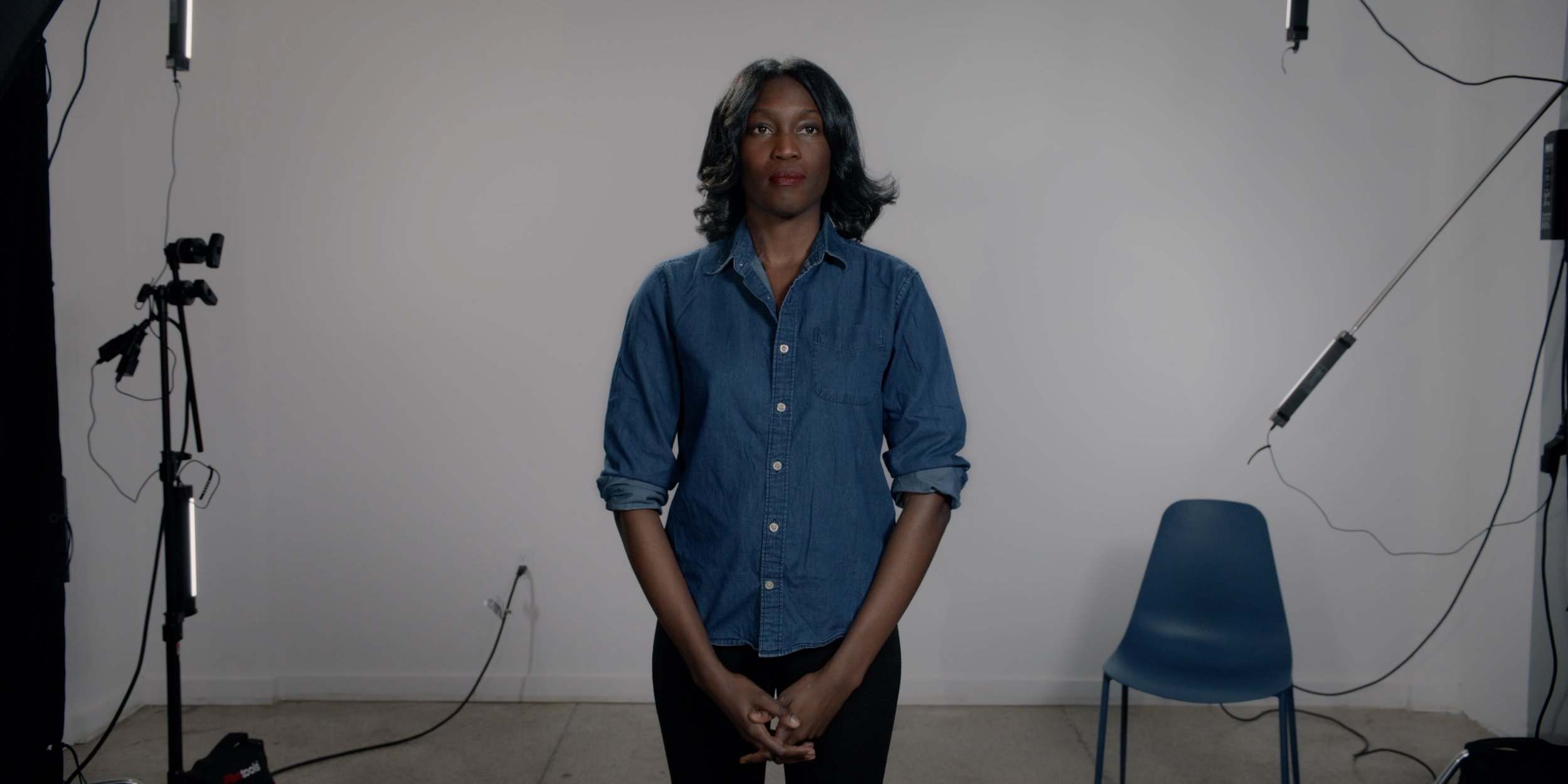
“I started writing fiction when I was a kid, then fell in love with movies as a teenager. It didn't take long for me to pick up a camera and start shooting, a journey that has taken me all the way through to today. As a filmmaker, my work is informed by narrative and literary traditions... it's all language to me.”
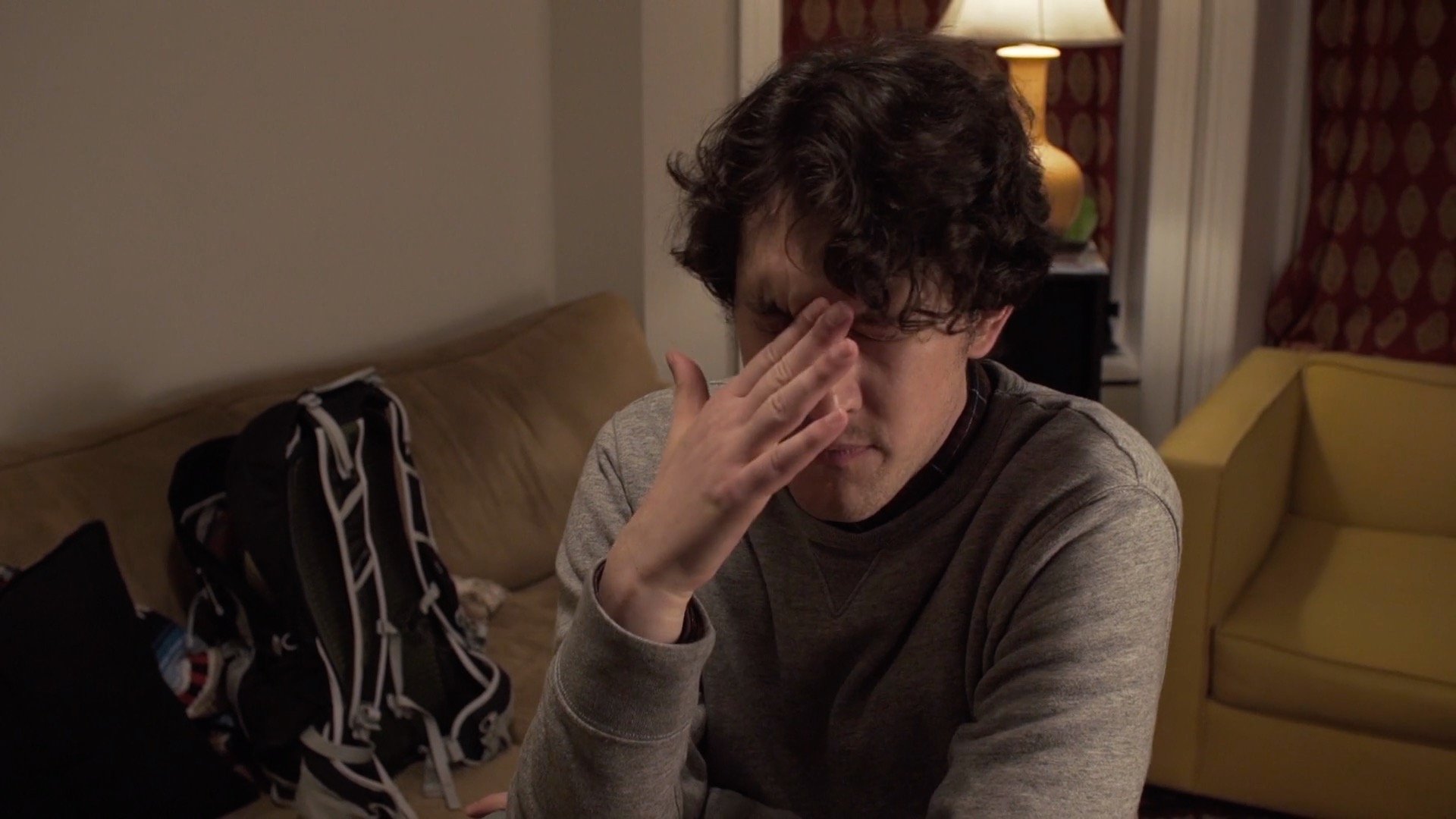
“I would pace around and talk ideas out loud to myself. Reciting potential dialogue over and over again to see if it worked till I was able to catch a new idea.”
“I went through the footage, took notes, and filmed the new footage, which is a commentary. Emotionally, it was complicated. It took some time for me to be able to watch to footage, and took a little more to sit and talk about it. It took a few years.”
A few good agents
When You Join The Bureau, you directly support the future work of filmmakers through our grant program, our screening events, and our ongoing efforts to spread the word about a diverse group of incredible Directors working in short film.
“Through my teen years, my focus had turned to music, but when I got to college, I began immersing myself in film studies courses and crewing on thesis films. It was incredibly exciting to rediscover a world of comprehensive creation that blended so many things that I had grown to love independently…”
“I started writing fiction when I was a kid, then fell in love with movies as a teenager. It didn't take long for me to pick up a camera and start shooting, a journey that has taken me all the way through to today. As a filmmaker, my work is informed by narrative and literary traditions... it's all language to me.”
“I would pace around and talk ideas out loud to myself. Reciting potential dialogue over and over again to see if it worked till I was able to catch a new idea.”
“I went through the footage, took notes, and filmed the new footage, which is a commentary. Emotionally, it was complicated. It took some time for me to be able to watch to footage, and took a little more to sit and talk about it. It took a few years.”
“I dropped the feature ideas to focus on making something at my childhood home. I only had a handful of months to come up with an idea, procrastinate because of self-doubt, write it, rewrite, say, “fuck it, let’s make it”, cast it, scrape together the budget, pull together the best cast and crew, and then head to CT to have long weekend sleepover production party.”
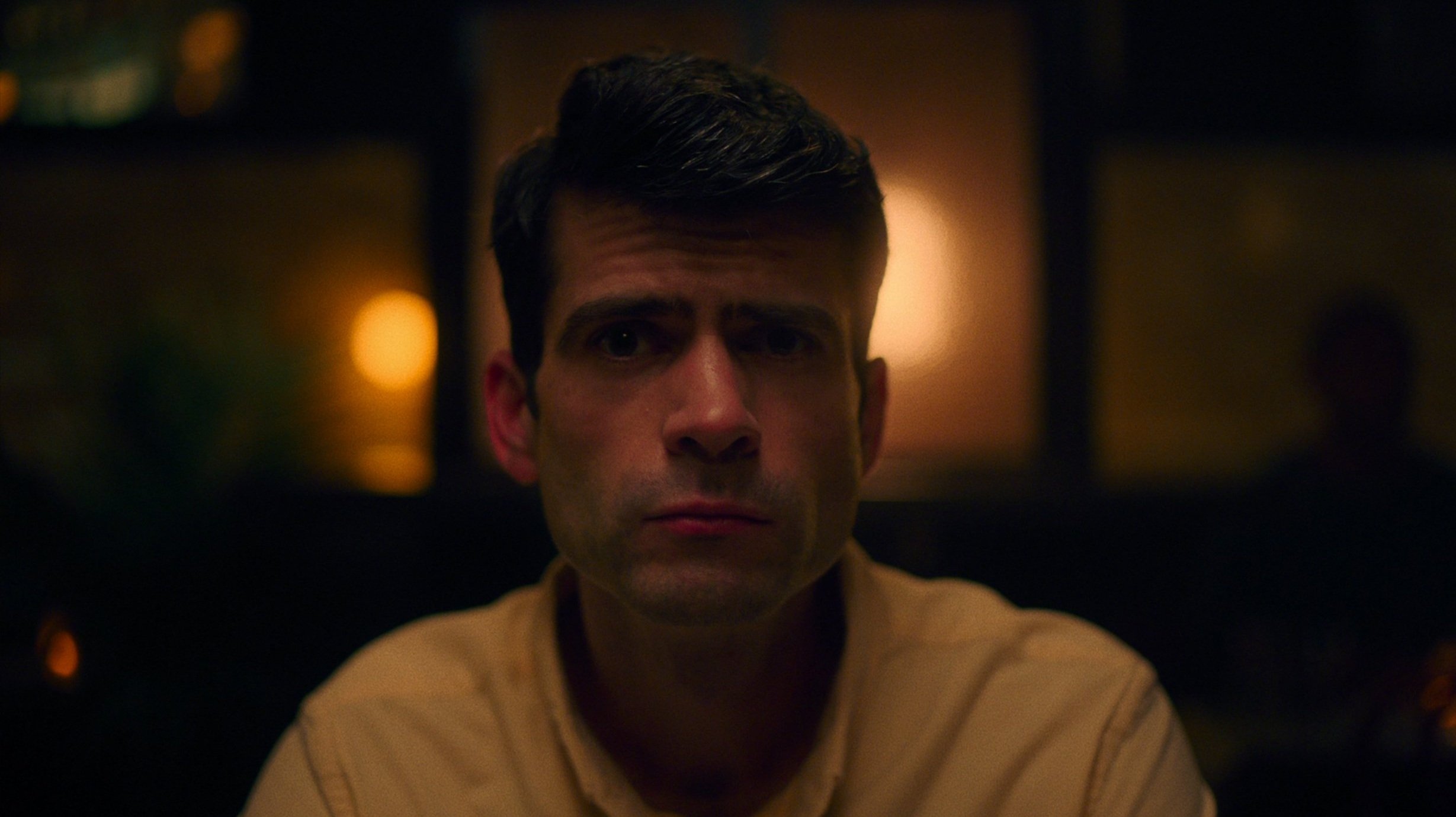
“We wanted to be very intentional with every joke and line of dialogue, no filler, all killer as they say. You be the judge! But more so, if we're gonna put people through this dizzying scene of constant back and forth, every word needs to push the story forward and tell us something about these characters.”
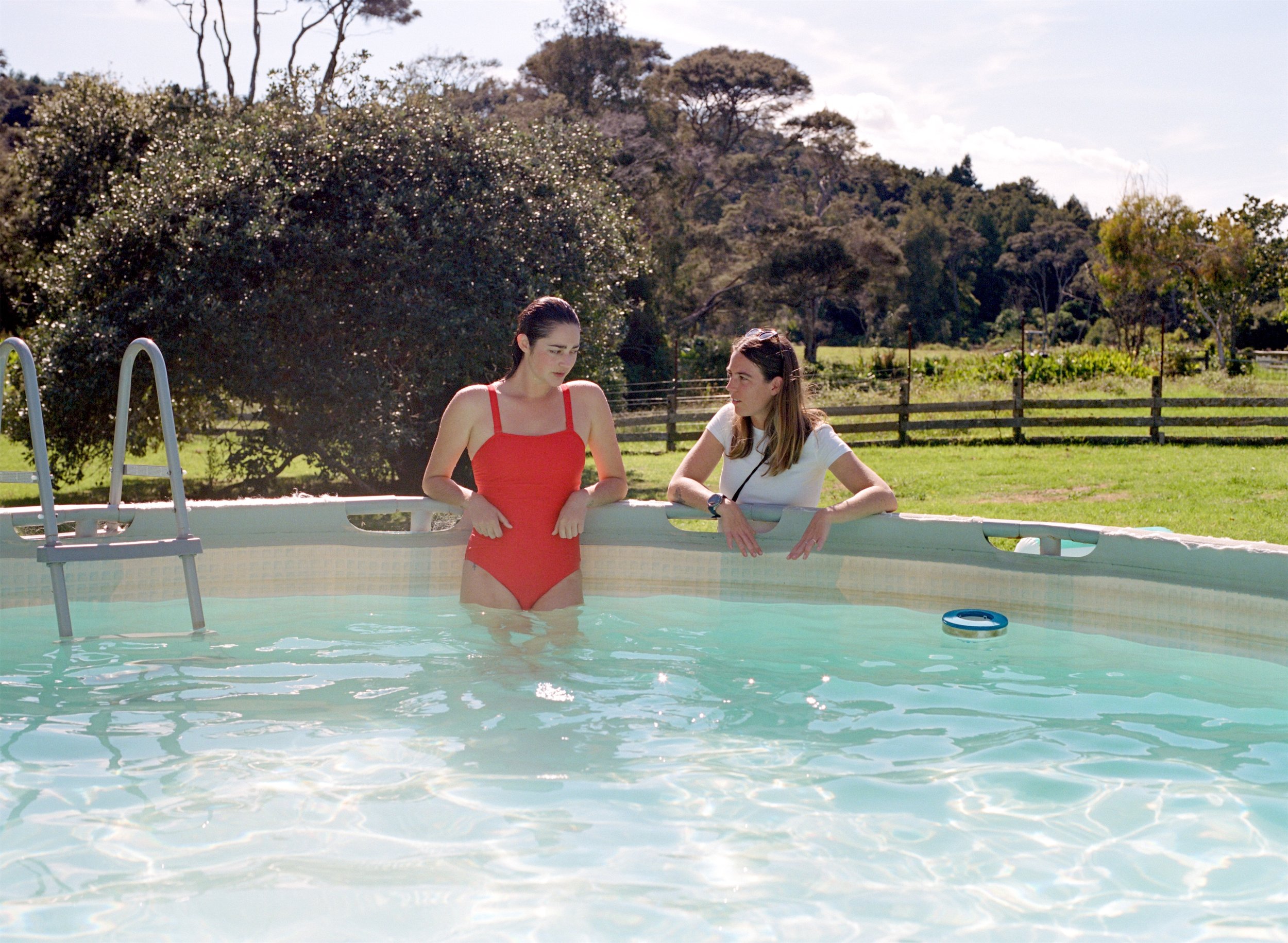
“The seed of it all was an experience I had with my father. He suffered a massive stroke in 2019 and got out of the hospital right around when the very first Covid-19 lockdowns began. As a result, I became one of his caregivers, and we were very much isolated and confronting this huge change in dynamic.”
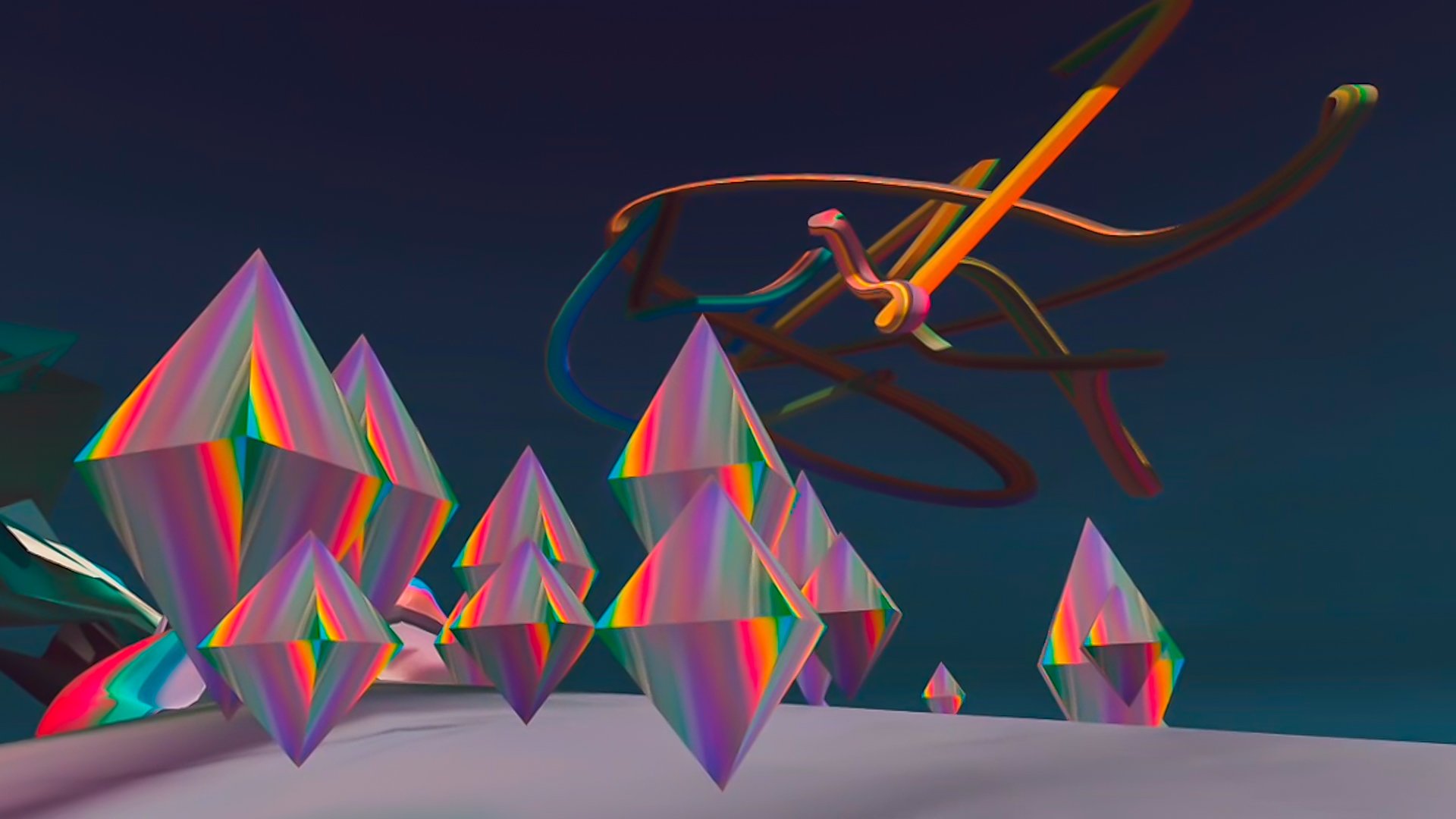
“It’s almost as if this film is a sequel to that first exhibition of projections, in that my second “wow” experience of scaling my work up for immersion was in 2021 when I learned to make a world in virtual reality. Once again, this was connected to art school, only this time it was my MFA, in NYC, and the VR world “Agog” was my thesis project.”
Looking for Something?
Search the /blog updates or dig through the full-site archives below.
“Through my teen years, my focus had turned to music, but when I got to college, I began immersing myself in film studies courses and crewing on thesis films. It was incredibly exciting to rediscover a world of comprehensive creation that blended so many things that I had grown to love independently…”
“I started writing fiction when I was a kid, then fell in love with movies as a teenager. It didn't take long for me to pick up a camera and start shooting, a journey that has taken me all the way through to today. As a filmmaker, my work is informed by narrative and literary traditions... it's all language to me.”
“I would pace around and talk ideas out loud to myself. Reciting potential dialogue over and over again to see if it worked till I was able to catch a new idea.”
“I went through the footage, took notes, and filmed the new footage, which is a commentary. Emotionally, it was complicated. It took some time for me to be able to watch to footage, and took a little more to sit and talk about it. It took a few years.”
“I dropped the feature ideas to focus on making something at my childhood home. I only had a handful of months to come up with an idea, procrastinate because of self-doubt, write it, rewrite, say, “fuck it, let’s make it”, cast it, scrape together the budget, pull together the best cast and crew, and then head to CT to have long weekend sleepover production party.”
“We wanted to be very intentional with every joke and line of dialogue, no filler, all killer as they say. You be the judge! But more so, if we're gonna put people through this dizzying scene of constant back and forth, every word needs to push the story forward and tell us something about these characters.”
“The seed of it all was an experience I had with my father. He suffered a massive stroke in 2019 and got out of the hospital right around when the very first Covid-19 lockdowns began. As a result, I became one of his caregivers, and we were very much isolated and confronting this huge change in dynamic.”
“It’s almost as if this film is a sequel to that first exhibition of projections, in that my second “wow” experience of scaling my work up for immersion was in 2021 when I learned to make a world in virtual reality. Once again, this was connected to art school, only this time it was my MFA, in NYC, and the VR world “Agog” was my thesis project.”
“I was studying at film school at the time and felt frustrated with some projects. I was processing a break-up. There was a sense of being stuck, and subsequently a feeling of dislocation in my life. The first draft was written pretty much in a single moment, walking around in Jerusalem and finding the structure of the film.“
“This was Geraldine’s first time acting and I wanted to make her feel comfortable on set. Not only that, but I wanted to take things from her personal experiences and implement them in the film. So before shooting I sat down with Geraldine and we had a long conversation about her life as a Filipino working mother.“
“For this film, I stripped away any sense of a narrative plot, and just tried to capture that peculiar, intimate feeling of watching in on someone when they presume themselves to be alone. What idiosyncrasies and emotional details do we reveal about ourselves when we're by ourselves?”
“The making of this film happened very organically. Jessica and I had been wanting to work together for a long time until we finally were able to set a shoot date. We went into the day with a rough idea of what we wanted to capture but allowed ourselves to follow any random inspiration on set.”
“At the height of the pre-vaccine pandemic, I was crashing on his sofa as a guest for a few weeks, and found his efforts to balance his day job and 'night job' while confined to his room relatable and amusing.”
“Maniac Landscapes came from a series of recurring dreams where I could hear crying, always very distant, always from a person I was never able to see, but always somehow close to me.”
“Ex Disposer is about Andy’s daily battle to better himself against massive odds. He consistently is reminded of the worst thing he’s ever done to someone close to him. He wants to fix what cannot be fixed. But he tries.”
“The sequences were looped through a series of digital filters I had created over and over, decaying each scene a bit more. This was heavily influenced by composer William Basinski’s The Disintegration Loops.“
“My favorite part of the creative process is being on set and seeing everything come together. I love collaborative creative problem-solving. I also usually storyboard everything, so seeing those come off the page and become real is an amazing feeling.“
“I got into filmmaking through an accumulative process that made me realize I wanted and needed to create, and cinema as a medium and art form was just the right one, or so I believe it to be. As a kid, I loved going to the theater so much, but it was a distant act of distraction and nothing more.”
“I like observing people, and through the observation of each individual, I learn the story behinds them. It’s a fascinating process, and the amount of trust you will gain throughout the period. I started conducting several social field works when I was in college.”
“Sam is me, a tomboy who struggles to feel loved. I have always felt like a ‘tomboy’ not much of a man and not much of a woman somewhere in between. I am proud to feel that way about myself. It was exciting to create a character like Sam and to see the story play out the way it does.”
Joe ponders these ideas as he boldly tells his Chinese father, who has a traditional, "sensible" outlook, that he's moving from New York to a ranch to be a cowboy — that it's his dream, and we, as the viewer, don't get to decide it for him.
“When I actually sat down to properly write a script, I was motivated by the need to end a story in my life that didn't have a satisfying ending to me. I wanted to know and put to rest in my mind: what would have happened if I pushed my experience beyond the limit of what I actually did?”
“We got in touch with some locals and went down to the areas affected. We were a tiny 3 person team. A feared-to-be Katrina level hurricane hit right when landed. And then a process of discovery, empathy and expectations overturned.”
“I realized one day that all I wanted to do was to film places from my childhood. It didn’t matter if there was a story or not. So I wrote a little plot that somewhat mirrored what was happening in my partner and I’s lives, and filmed the scenes in places I grew up in.“
“When I approached Nigel and Mike about creating an original soundtrack for “A Shaming,” I could not have imagined the lengths they’d go to and the complex dimensionality they would add to a film I’d nearly abandoned for two years.“
“Friday was born out of a photography project I did the year before where I explored storefront mosques in and around NYC. I thought the photo project would work well as a visual piece and short documentary...”
A short documentary observing the life of 92-year-old Howard Henry, and how he chooses to stay busy and avoid aging by going to work every day.
“I wanted to tell a story that revealed that chaos, and I wanted to do it was simply as possible. I chose Old Hollywood because perfection of the frame was everything back then.”